

While many people believe that Cinco de Mayo is Mexican Independence Day, it is not. However, it was a battle not only important to Mexico, but also to the outcome of the American Civil War. Because it is also called the Battle of Puebla, it is celebrated in that state, but not nationally throughout Mexico.
At that time, Mexico was indebted to many European creditors, due to many decades of internal conflict. Among those creditors was Spain, the United Kingdom and France. In 1860, the Mexican government announced that it would suspend its payments for two years. Naturally, their creditors were not happy about this, but eventually agreements were made with Spain and the United Kingdom.
However, Napoleon III of France saw this as an opportunity to create a new French colony in the Americas. He felt that since the United States was occupied with their civil war, they would not interfere with his plans.
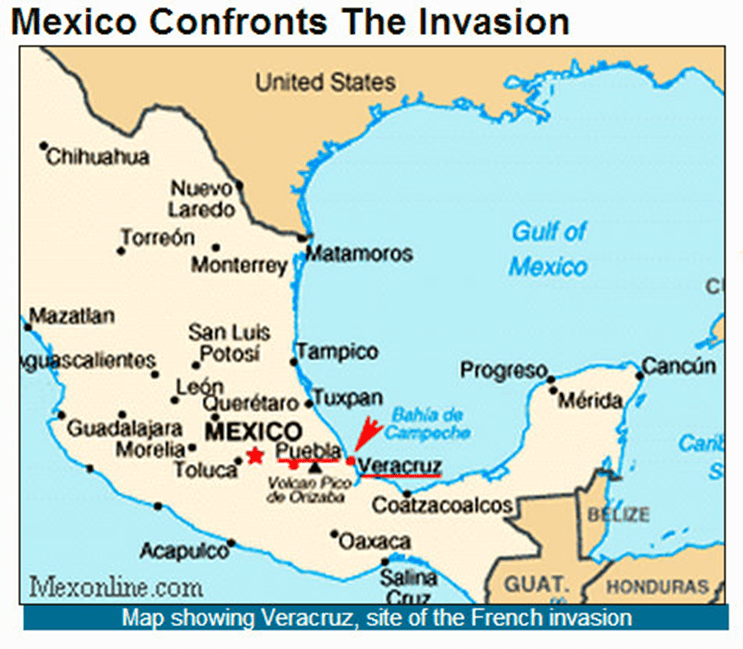
In the United States of America, part of the war strategy of the Union was a blockade of goods from the southern states, including Southern cotton, which was a valuable commodity in Europe. The plan was to capture Mexico City, set up a puppet government and then provide weapons to the Confederacy in exchange for cotton. And so, with their eyes on this prize, in 1862 General Charles de Lorencez led his troops from Veracruz towards Mexico City.
On May 5th (Cinco de Mayo), they engaged in battle at Puebla with the outnumbered forces of Mexican General Ignacio Zaragoza and suffered a surprising defeat. The French army retreated to Veracruz and did not return until May of 1863, after which they occupied Mexico City in June of 1863. The delay prevented the French from providing much-needed arms to the Confederacy, during which time the Union Army secured many decisive victories.
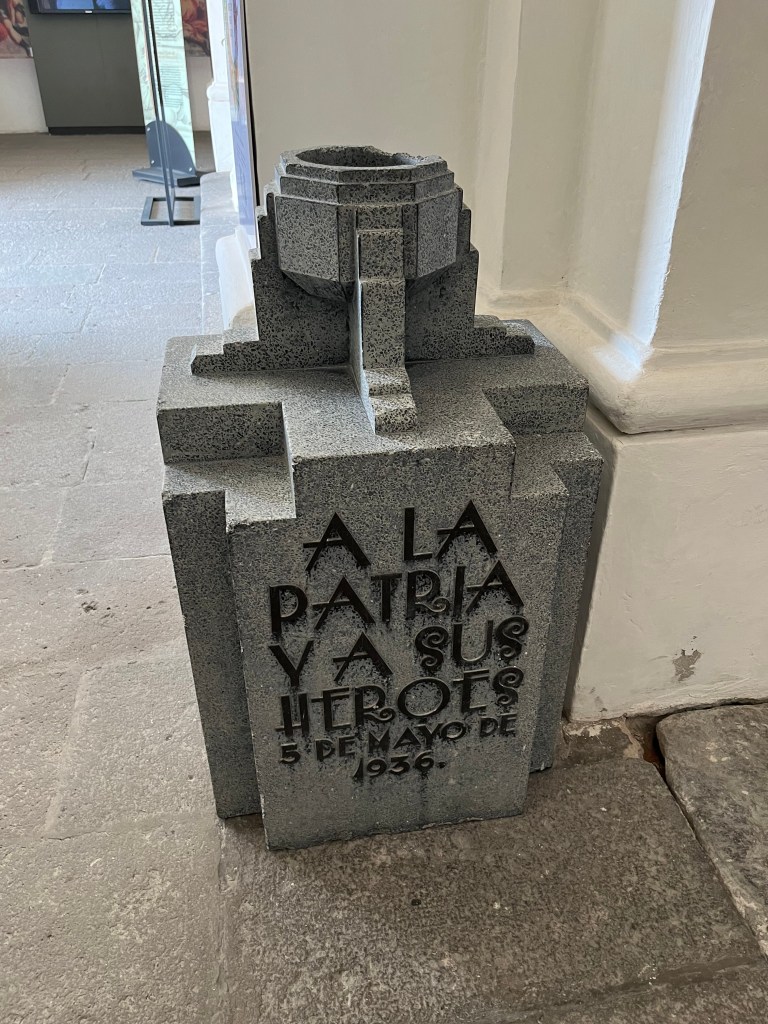
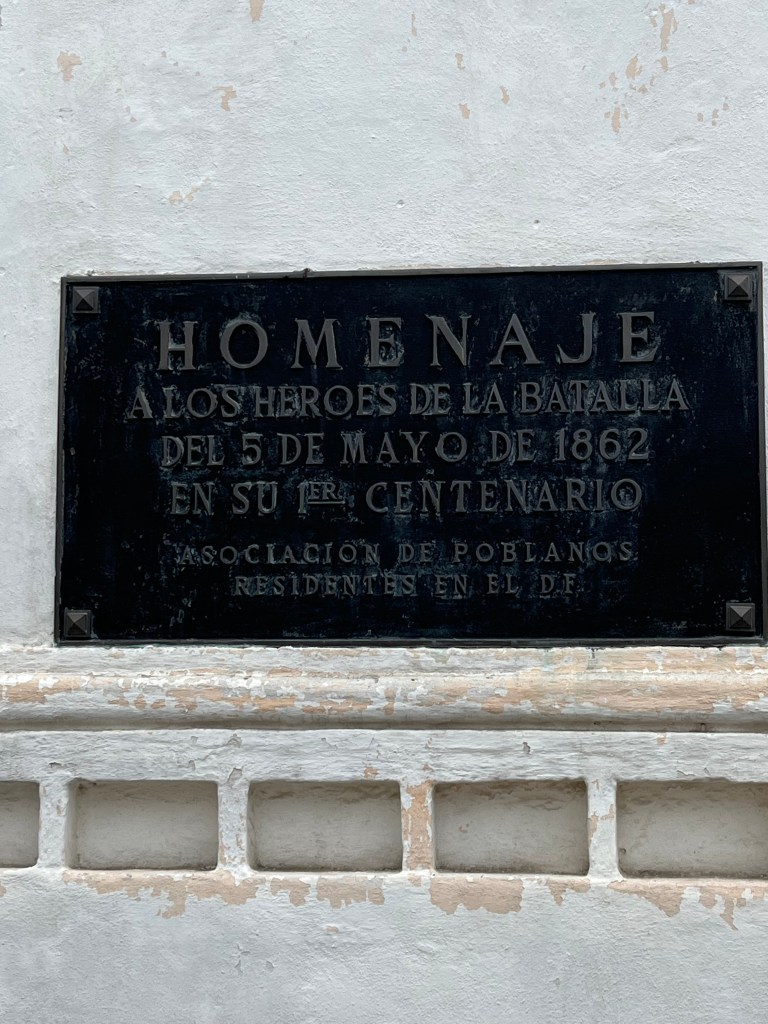
So this answers the burning question – WHAT does Cinco de Mayo have to do with the American Civil War????? And now I can focus on Mexico.
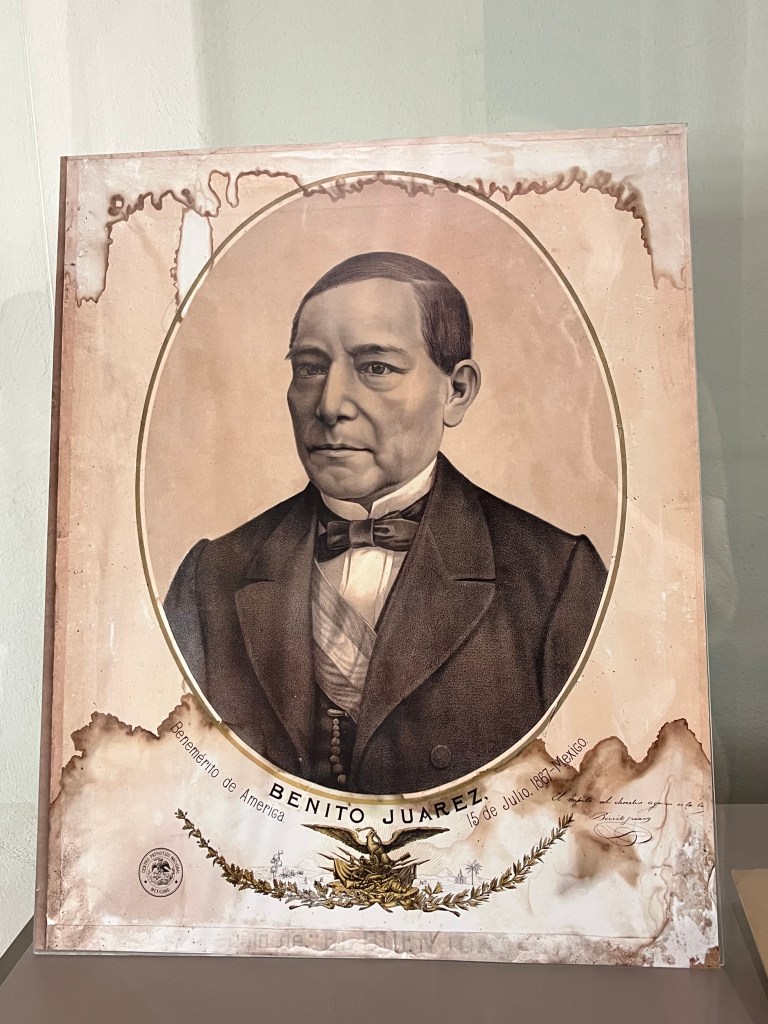
In late 1861, the French fleet landed off the shore of Mexico and stormed Veracruz, which drove President Benito Juárez and his government into retreat. The French forces of about 6000 troops engaged with the forces of Texas-born General Ignacio Zaragoza on May 5, 1862, in Puebla. The Battle of Puebla involved two forts – Fort Loreto and Fort Guadalupe.
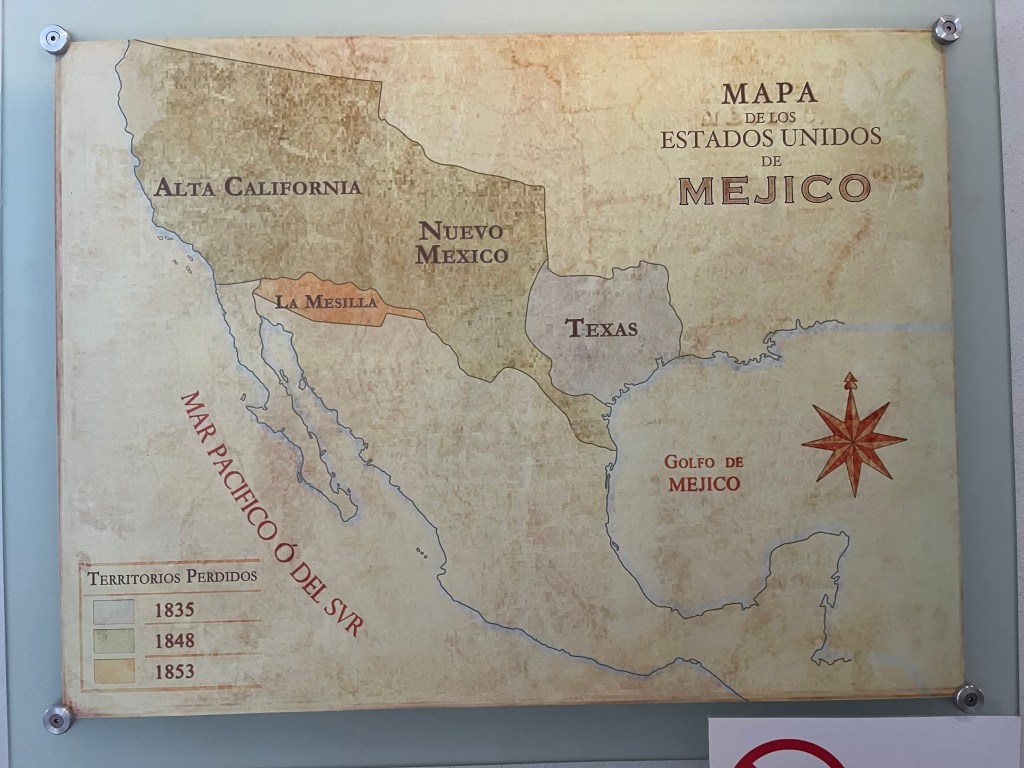
Map showing Mexico at the time General Zaragoza was born in 1829 in Texas, which was part of Mexico
Although vastly outnumbered and poorly supplied, the Mexican army was able to triumph over the French. The French forces lost 482 men, with 25 captured, while the Mexican loss was 83 men. While eventually the French did triumph a year later, this Battle of Puebla represented a great symbolic victory for the Mexican government and bolstered the resistance movement.
As has happened in the past, as well as in wars and battles in recent times, it seems that General Lorencez was given false and misleading information about how they would be welcomed and was surprised that they were not greeted as conquering heroes. According to a plaque in Fort Loreto, General Lorencez stated, “Such was, monsieur marshal, my situation confronting Puebla, the city most hostile to Juárez, in the opinion of the individuals whom I had to trust and who formally assured me, based on the information they had the opportunity to gather, that I should be received there with transport and my soldiers would be covered with flowers.”
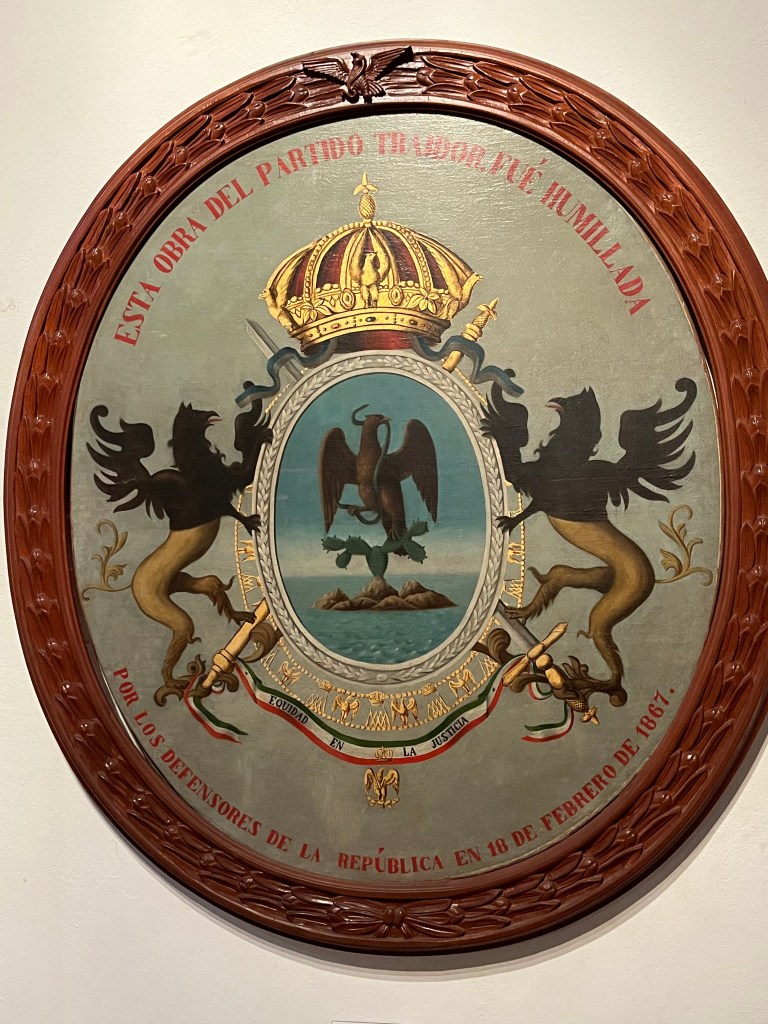


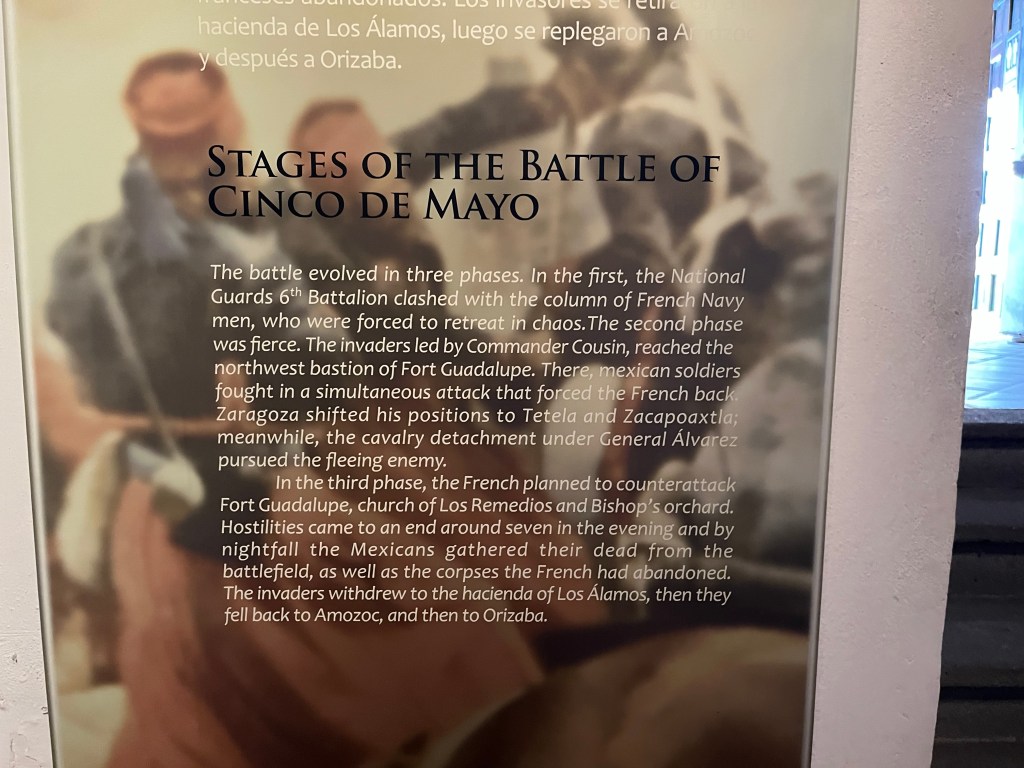
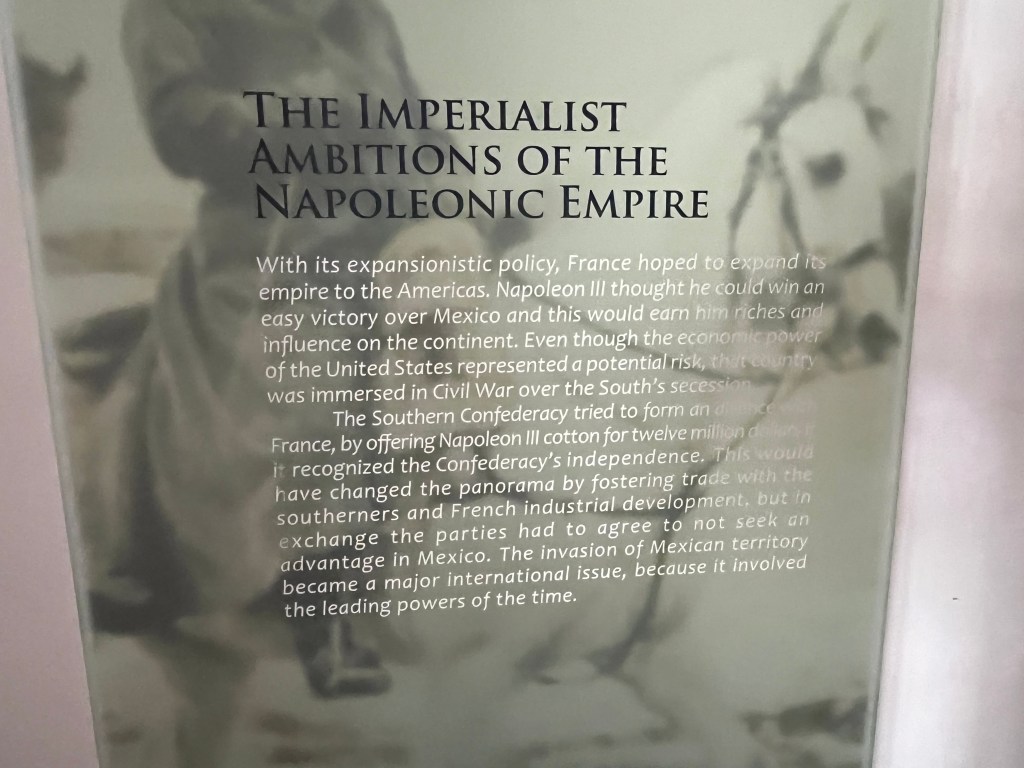
To clarify the “most hostile to Juárez” part, from 1858 to 1861 a civil war, called the War of Reform took place in Mexico which was a conflict between the reform government of Benito Juárez and the conservative government of Miguel Miramón. The reform government instituted the Reform Laws which sought to limit the power of the Catholic Church, secularize education and promote civil liberties. The conservative faction sought to prevent these changes which led to conflict, with the reform government emerging victorious by 1860. Reforms included confiscation of church property except for places of worship without compensation, suppression of monasteries, nationalization of cemeteries and introduction of civil marriage.
I have to say that Mexico is a very religious and Catholic country, but there is a definite separation of church and state.
With this in mind, it was easy to see why General Lorencez assumed that his troops would be greeted by overjoyed conservative Mexicans showering them with flowers. In order not to have this post go on forever, you can read the history of how the French came to leave Mexico in 1867 here:
https://www.u-s-history.com/pages/h101.html
Last year I was fortunate enough to visit my friend Martha in Atlixco, Puebla during the Cinco de Mayo celebrations.

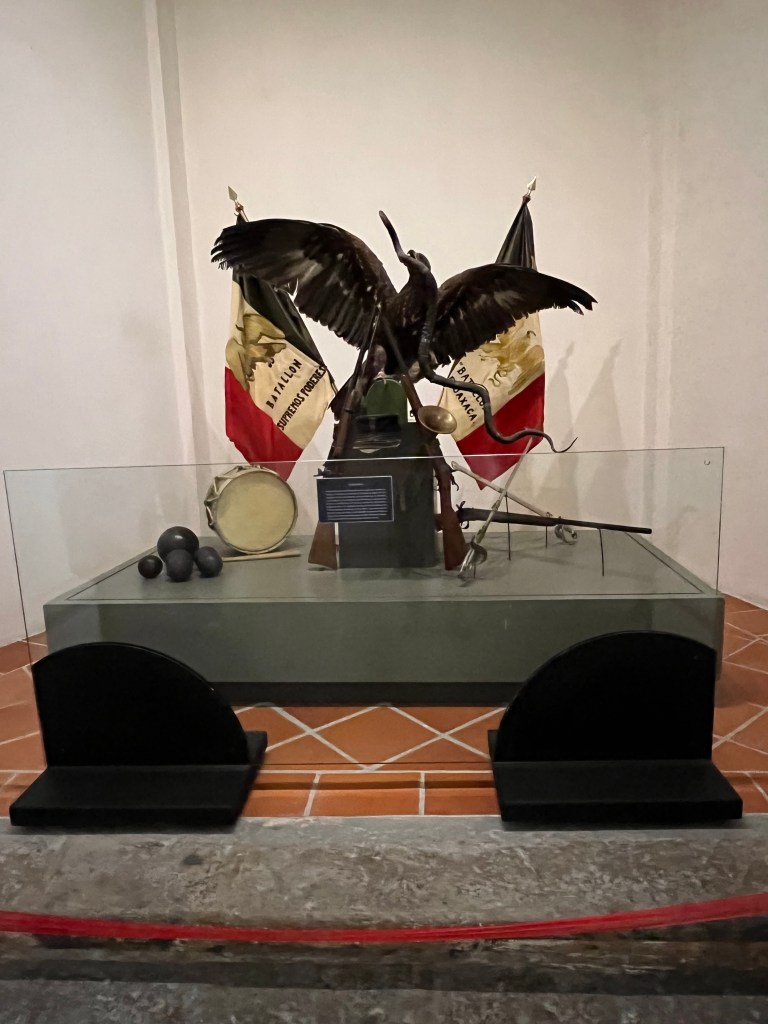
We visited Fort Loreto, which is now a museum and on May 4th attended a lengthy parade of school children and staff and various organizations.
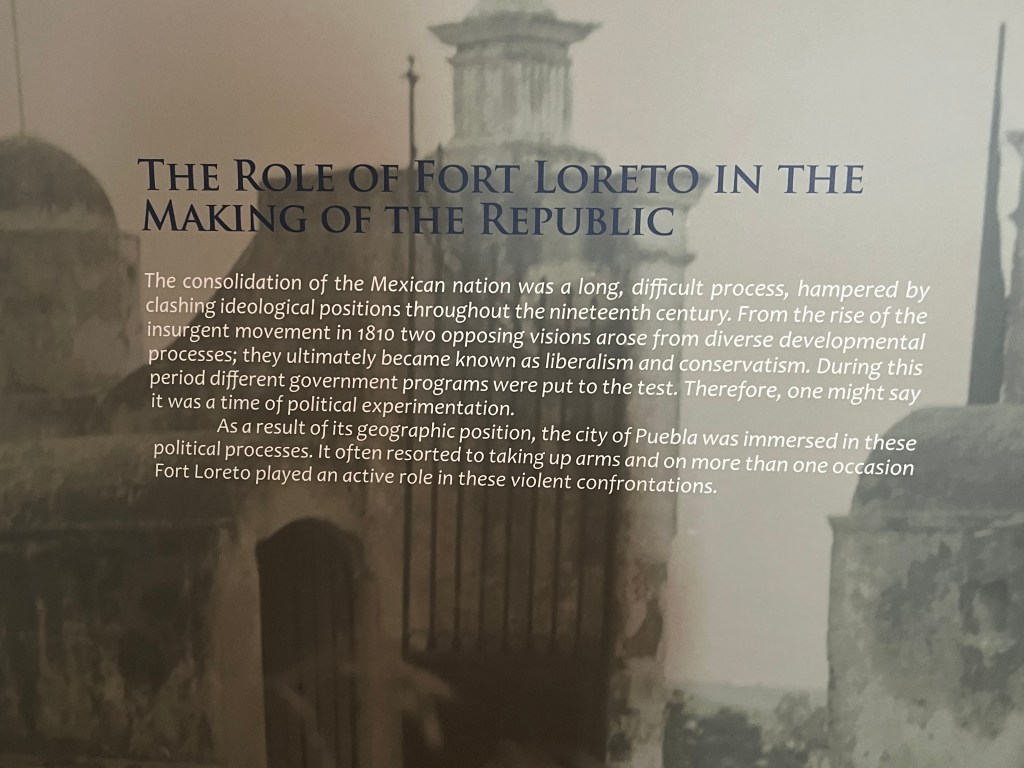
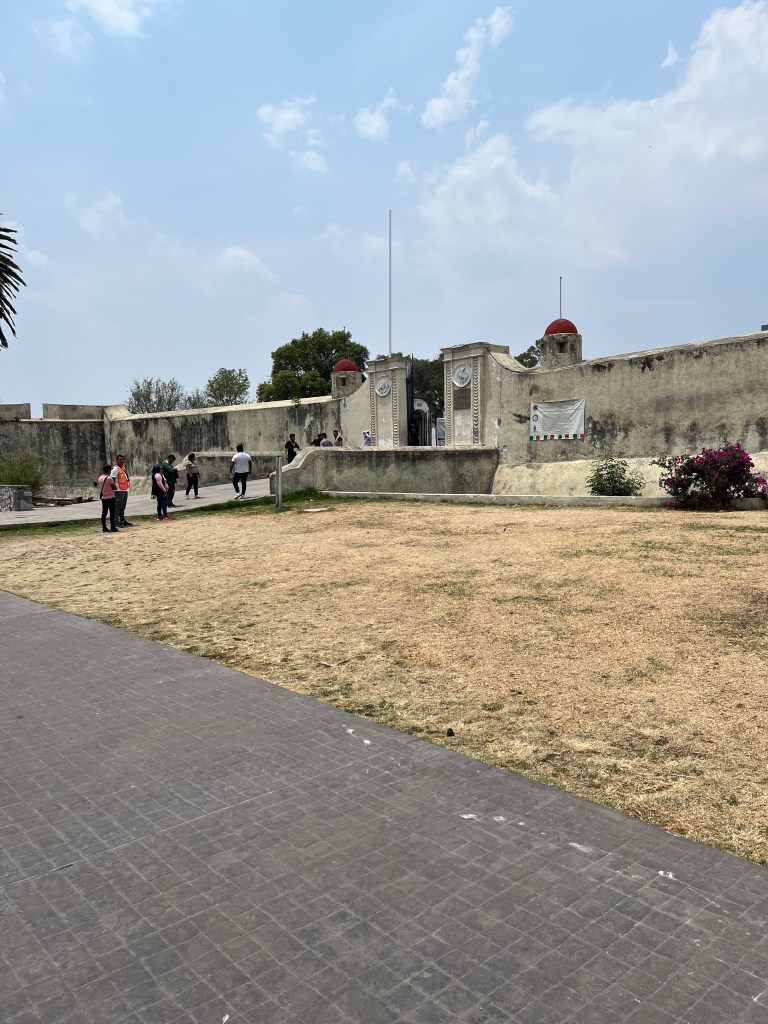

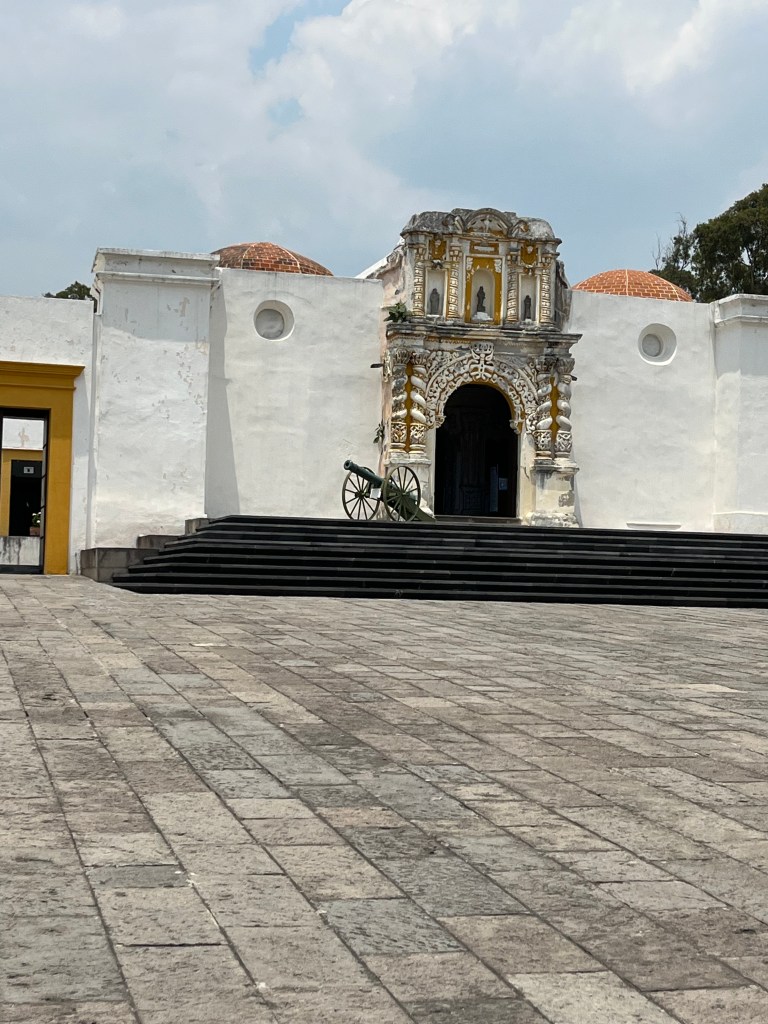
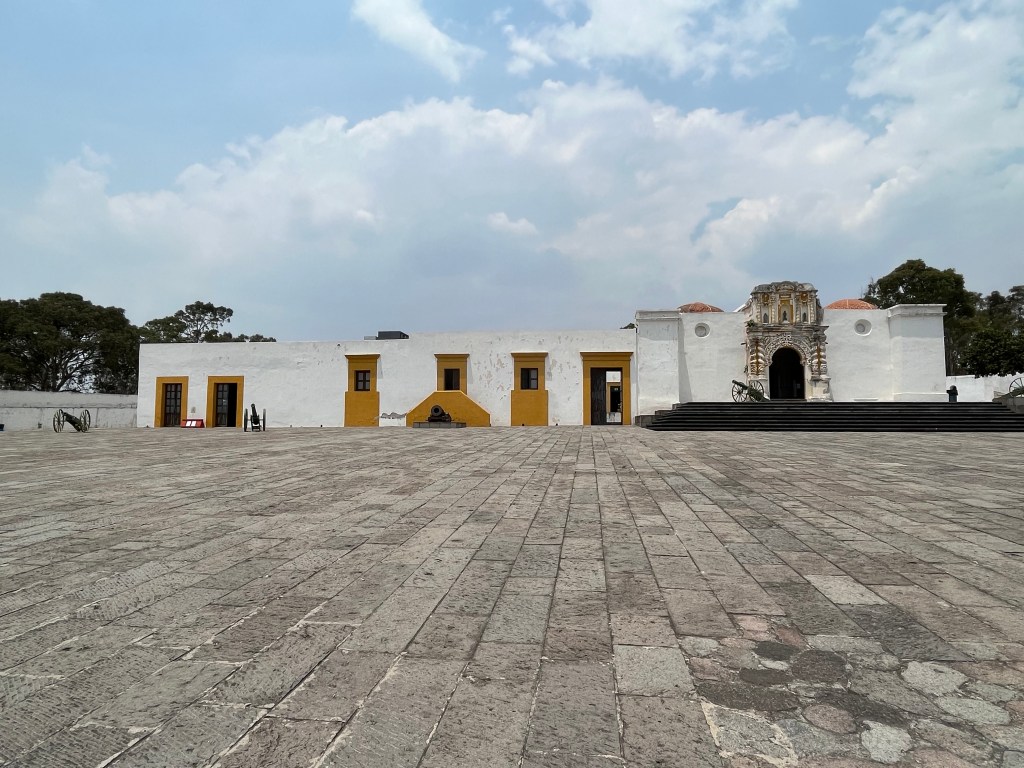
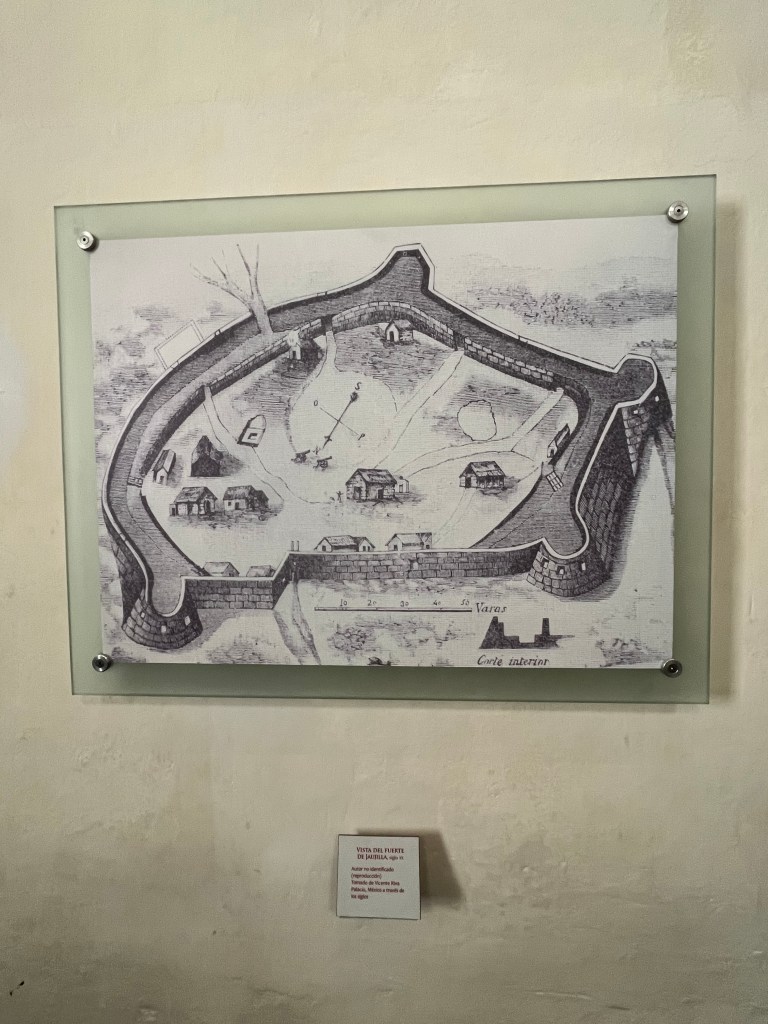
Fort Loreto
On May 5th, I watched the celebrations online. President Lopez Obrador (aka AMLO) attended, and it was a very long day, which would have necessitated leaving early in the morning to where the event would take place and waiting hours for the festivities to begin.
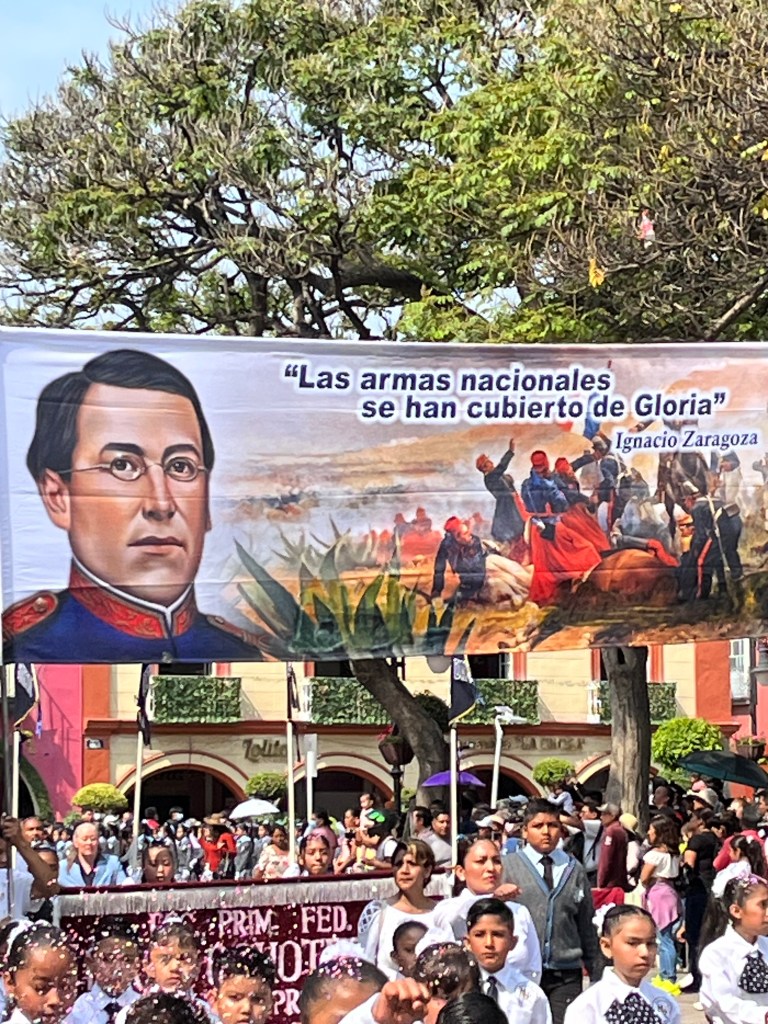
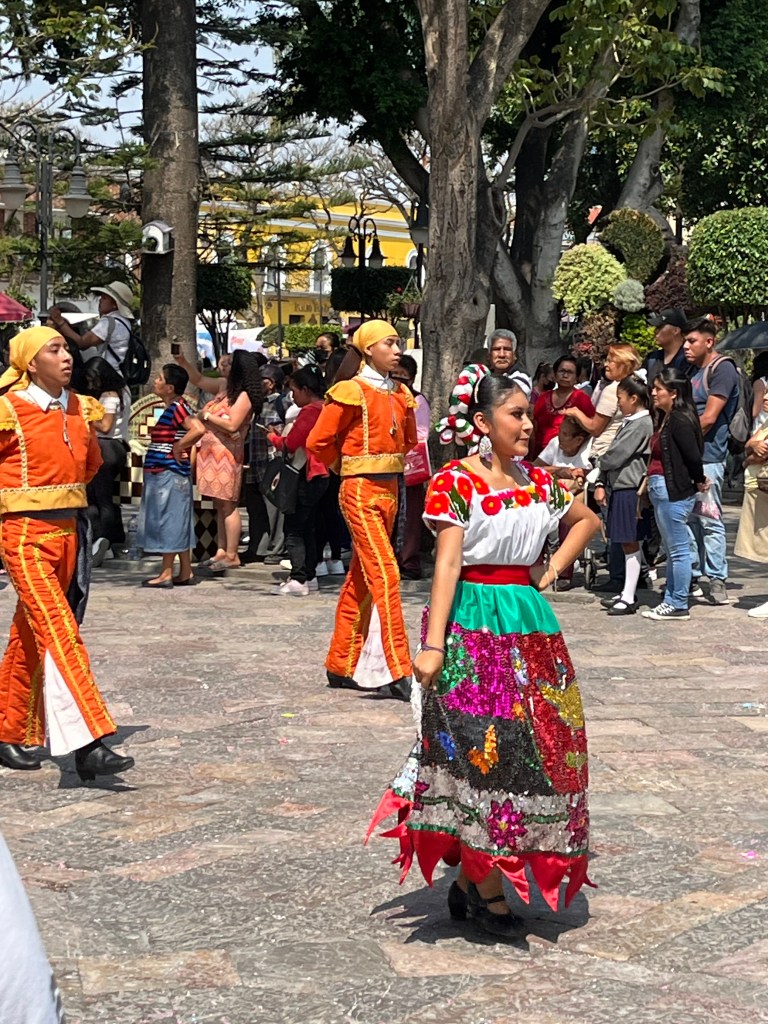
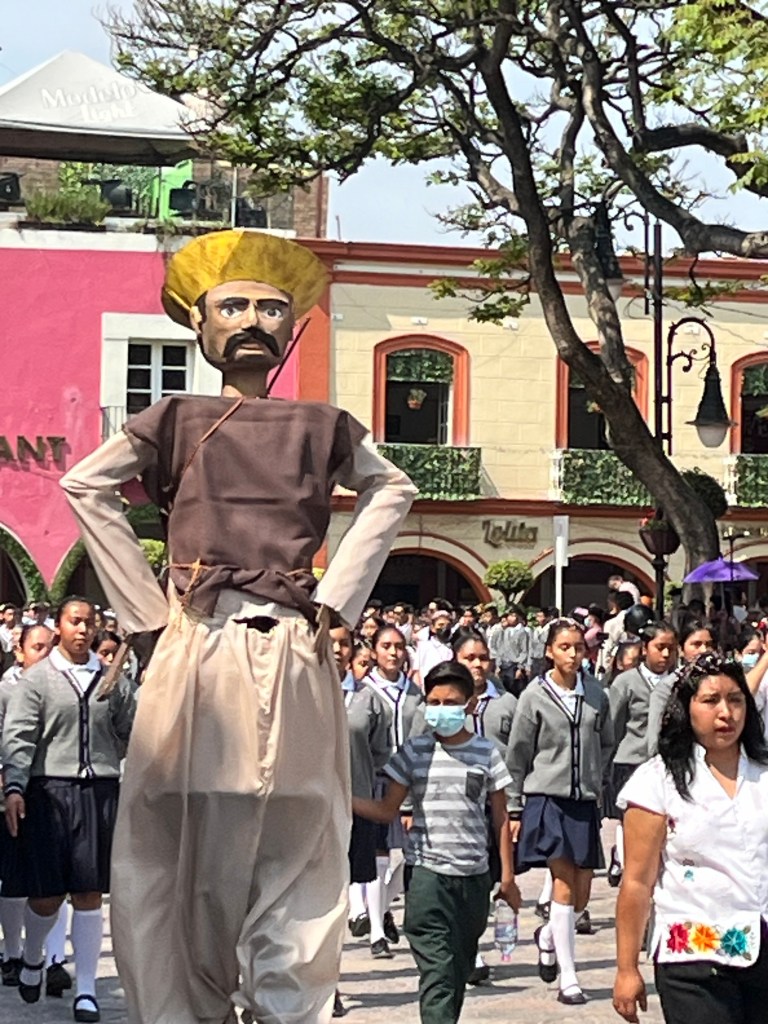

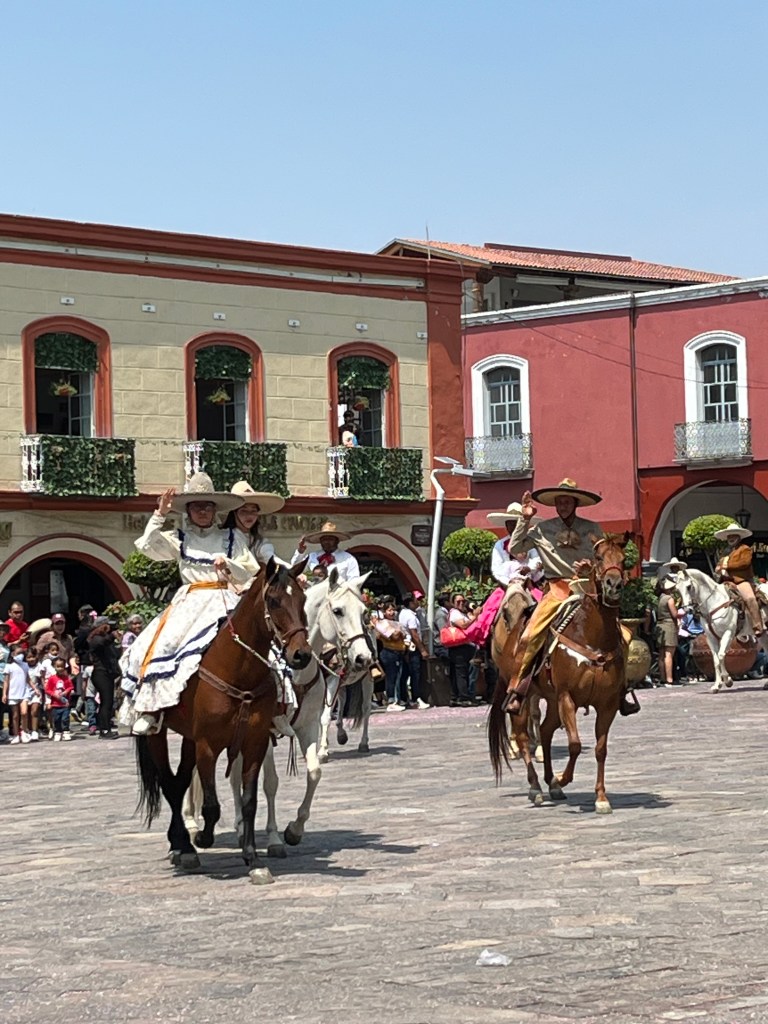
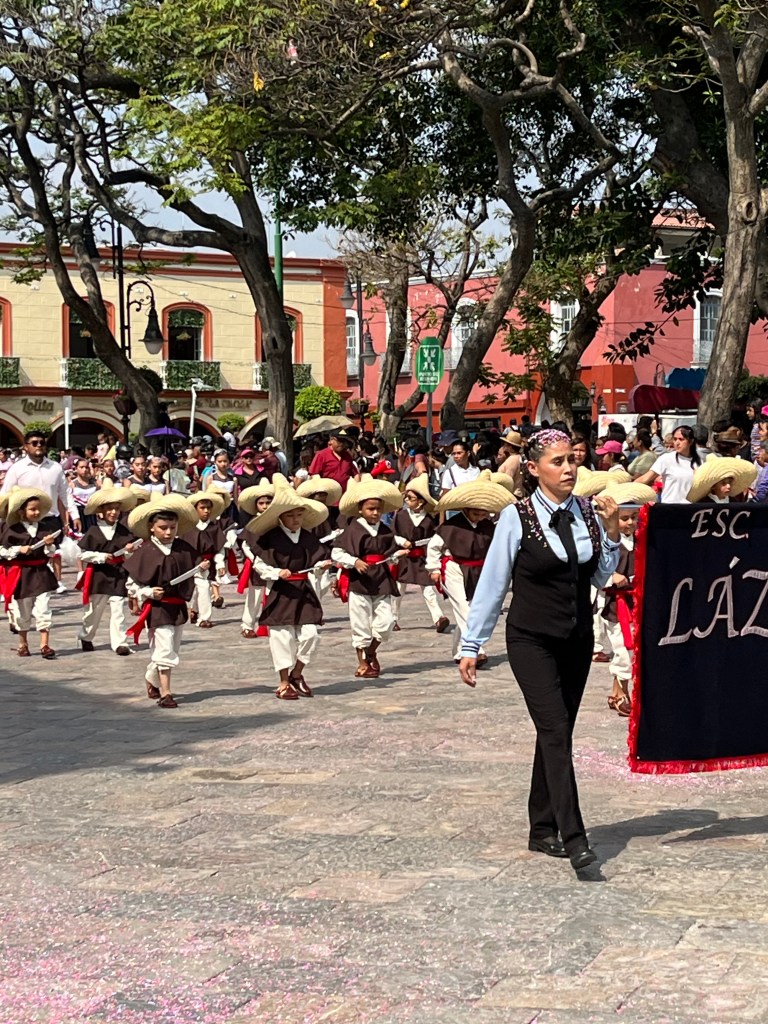

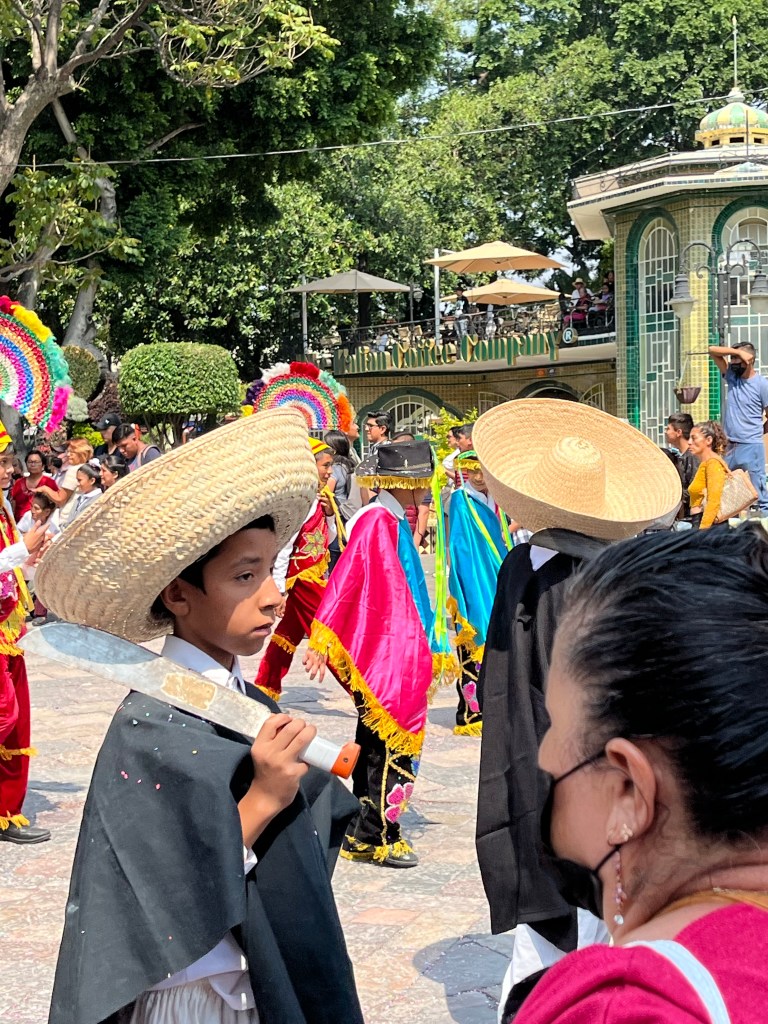
Scenes from the parade on May 4th
During the parade, people were throwing confetti at the spectators as well as the participants. I am not comfortable in crowds, but it was a wonderful event, a wonderful experience and I am glad that I was able to actually be in Puebla for this important event.

So to all my readers, if you wish to visit a country and find that there are events to celebrate national holidays or important historical events, please consider traveling at those times. In researching for this post, I was amazed to discover the connection with the American Civil War, something about which I had no previous knowledge. You, too, may be pleasantly surprised at what you might learn by exploring the human histories or natural histories of the places you visit and experience the wonder of standing in the same place where persons or events have occurred.
 mex-pat.org